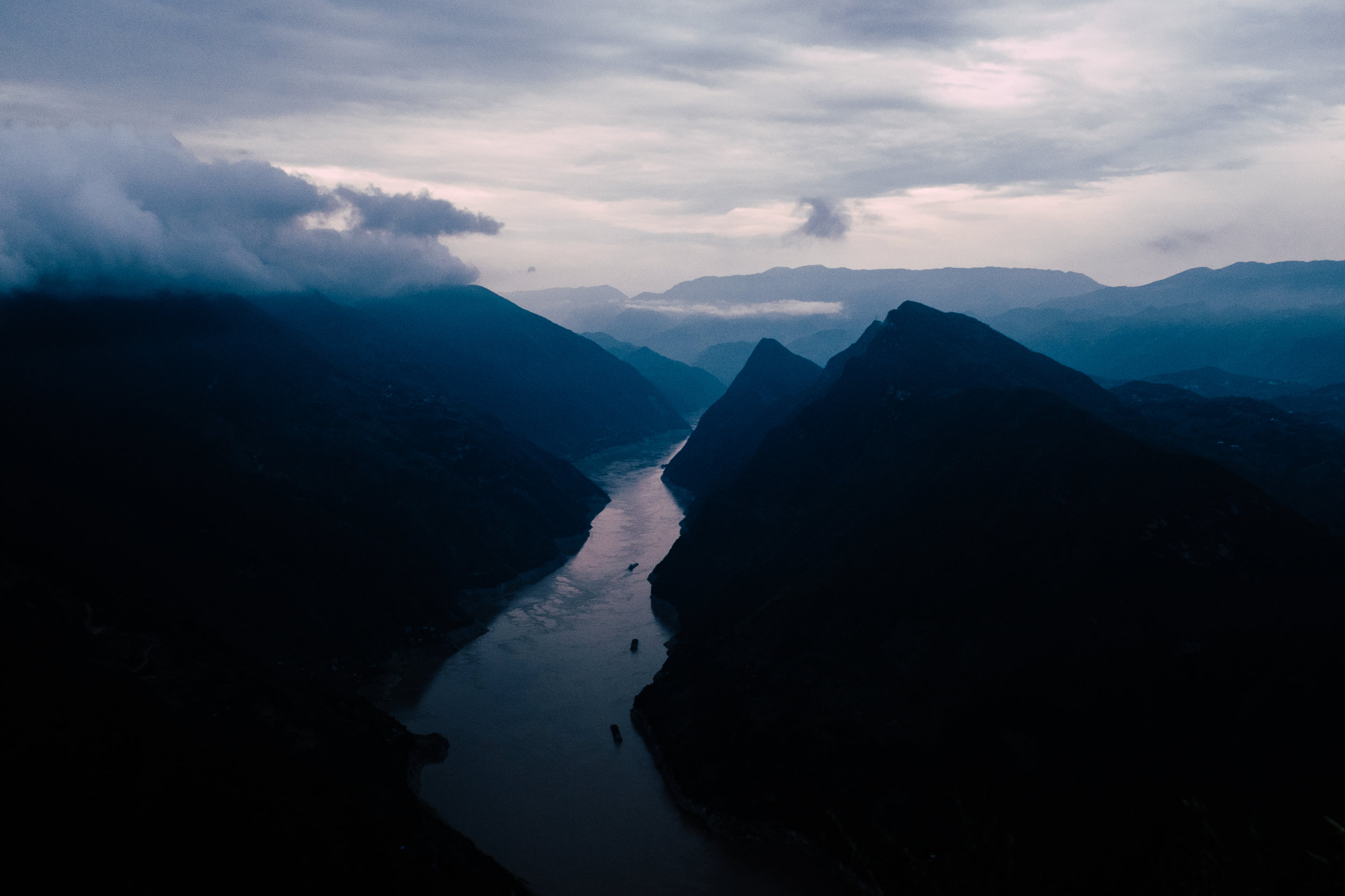
李 白 之 路
IN THE FOOTSTEPS OF LI BAI
According to legend, Li Bai drowned trying to embrace the moon's reflection in the Yangtze River. He was drunk. A fitting end for China's most famous poet, and perhaps its most famous drinker.
Li Bai 李白 (701-762) was born during the Tang Dynasty, the high watermark of classical China (618-907), and traveled extensively along the Yangtze and its tributaries as a wandering scholar, swordsman, and “exile of heaven.”
In following his footsteps along this ancient highway, I found the poet through the enduring relationship the Chinese people have with the Yangtze River.
Images Shot for National Geographic Chinese Edition.
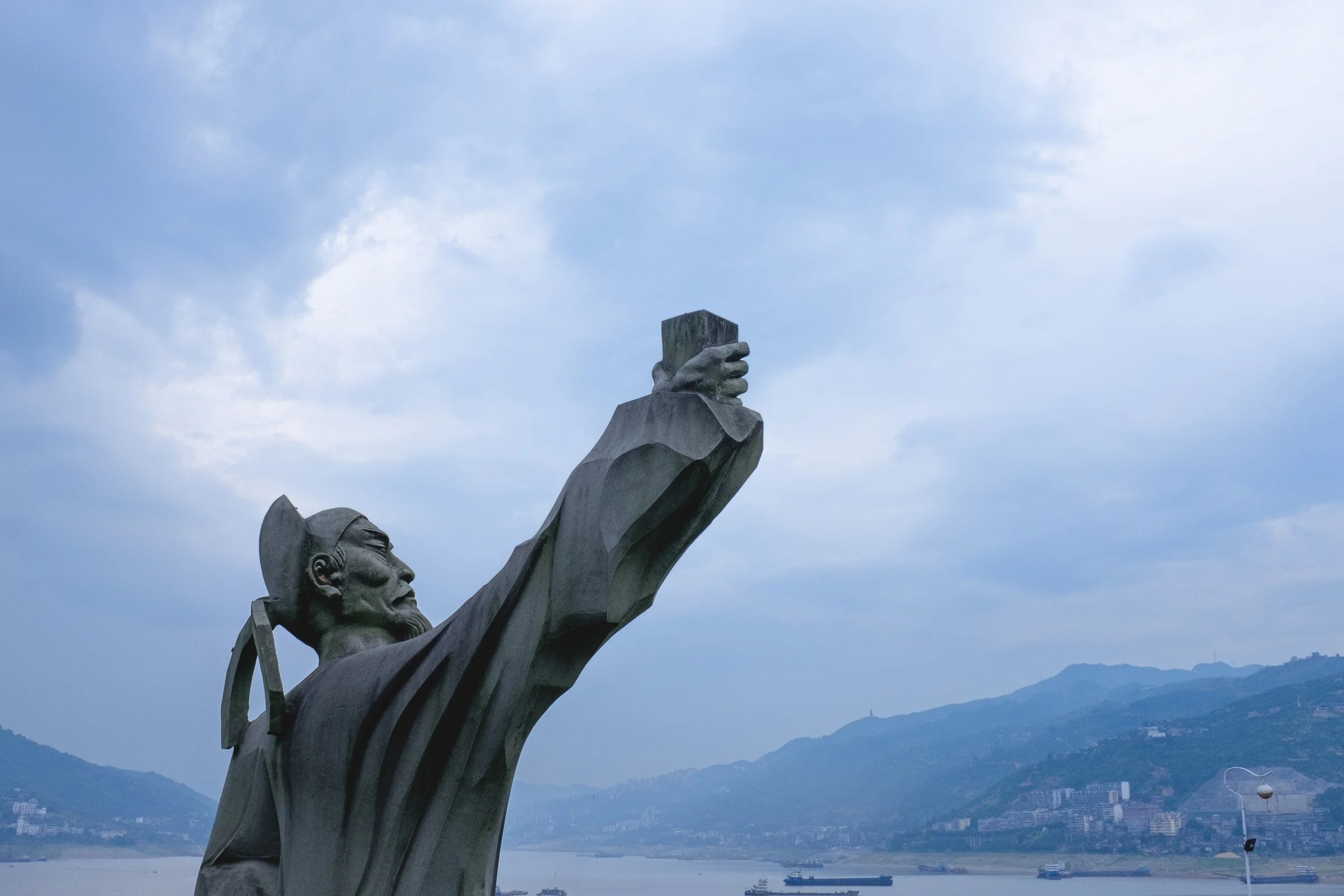
Li Bai, whose name could be translated as “White Li”, (a name befitting for a poet associated with moonlight and wine) lived a life that defied the rigid conventions of his time.
Born in the hinterlands of empire in the town of Suyab (modern-day Kyrgyzstan), he came from a wealthy merchant’s family and was rumored to have Tartar blood running in his veins.
His family eventually moved to the Sichuan Basin, where he spent his youth gazing at the Yangtze’s ruddy tributaries. At 24, he left home in search of fame.
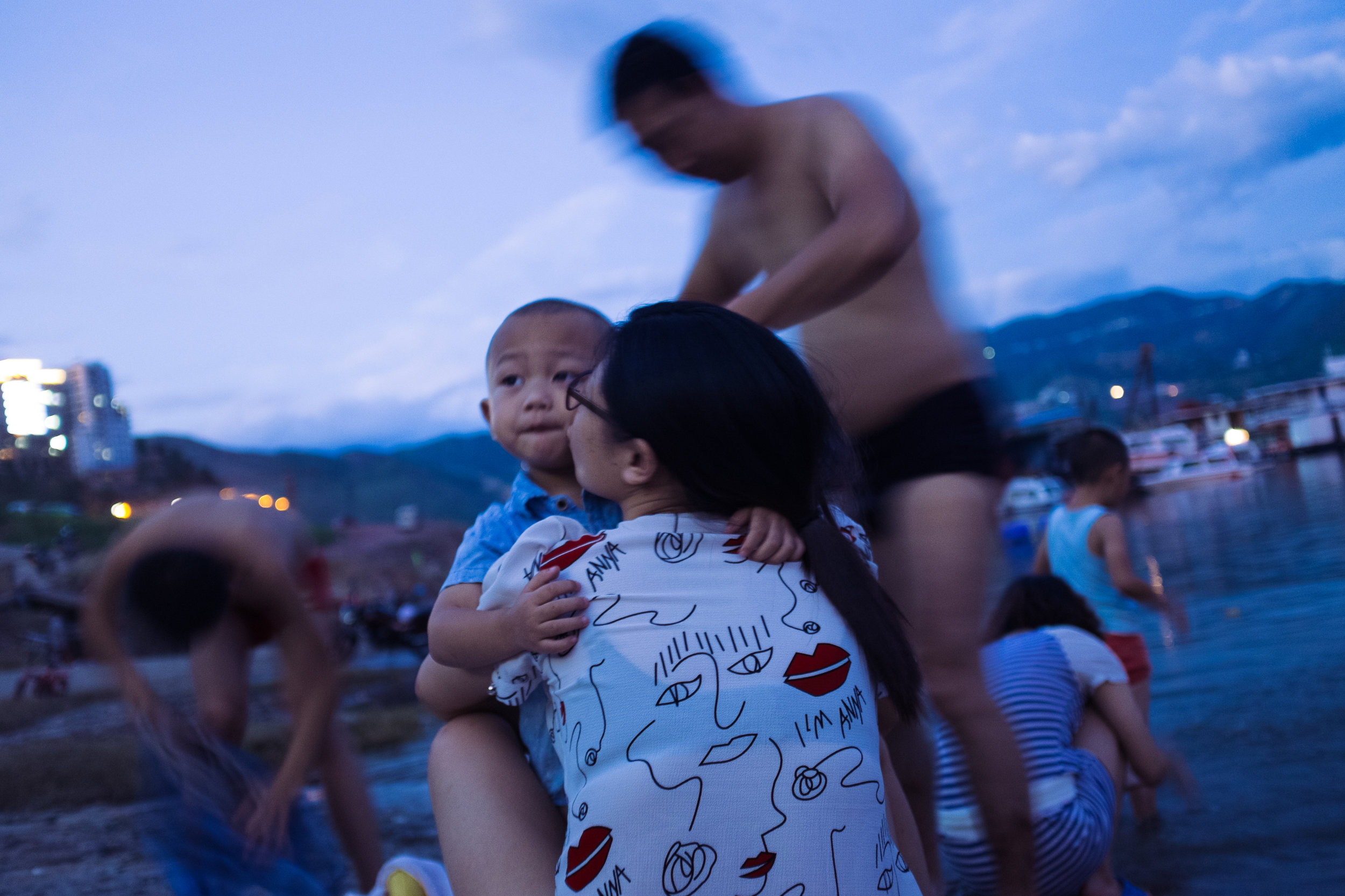
Bathers gather at riverside to escape the heat. Wushan, Sichuan
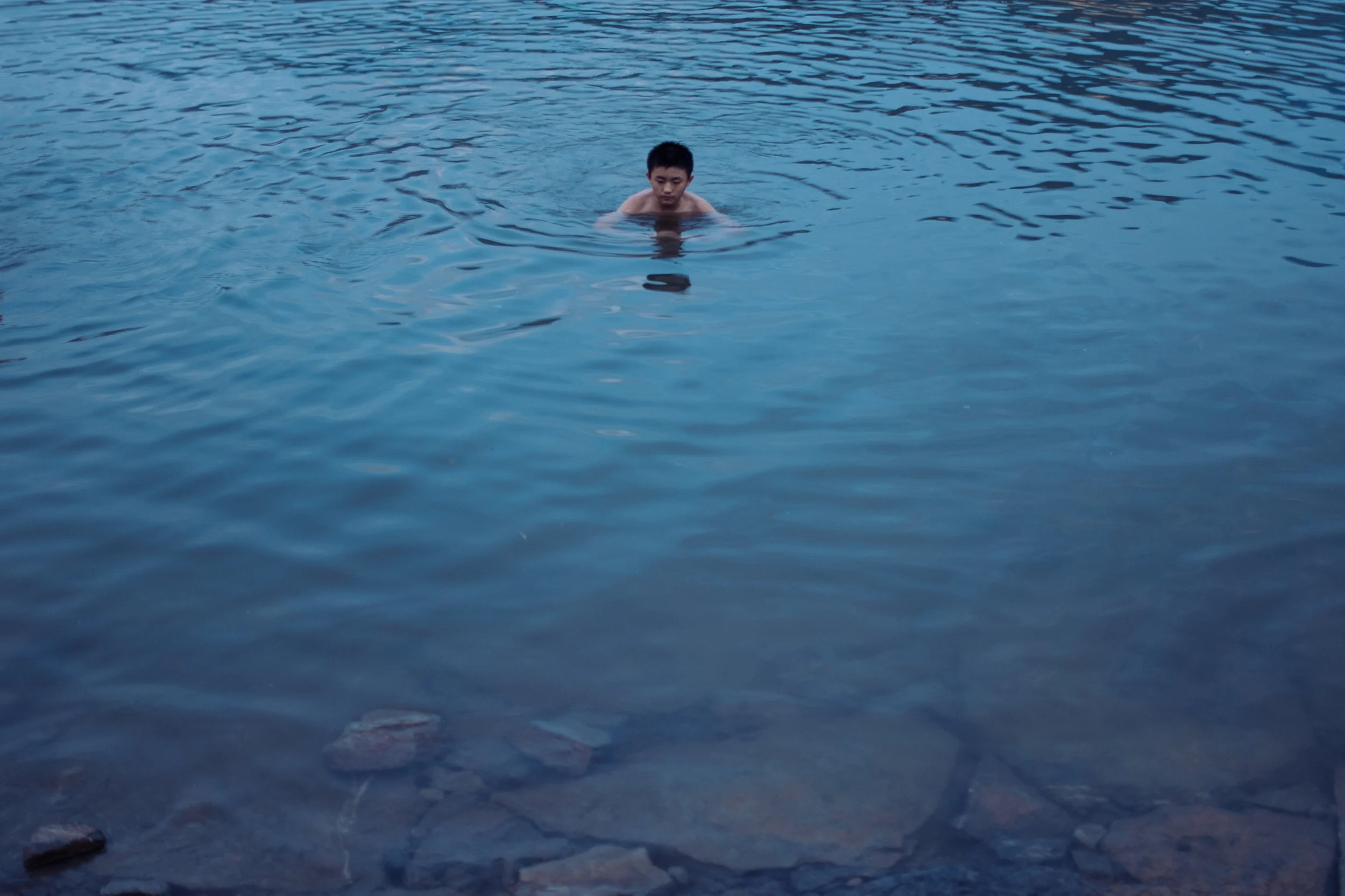
A young boy swimming in a calm, blue body of water near a rocky shoreline.
While his contemporaries followed rigid social conventions, studying for imperial examinations in hopes of becoming high officials, Li Bai took to wandering the "rivers and lakes" of the Tang empire—the world beyond officialdom.
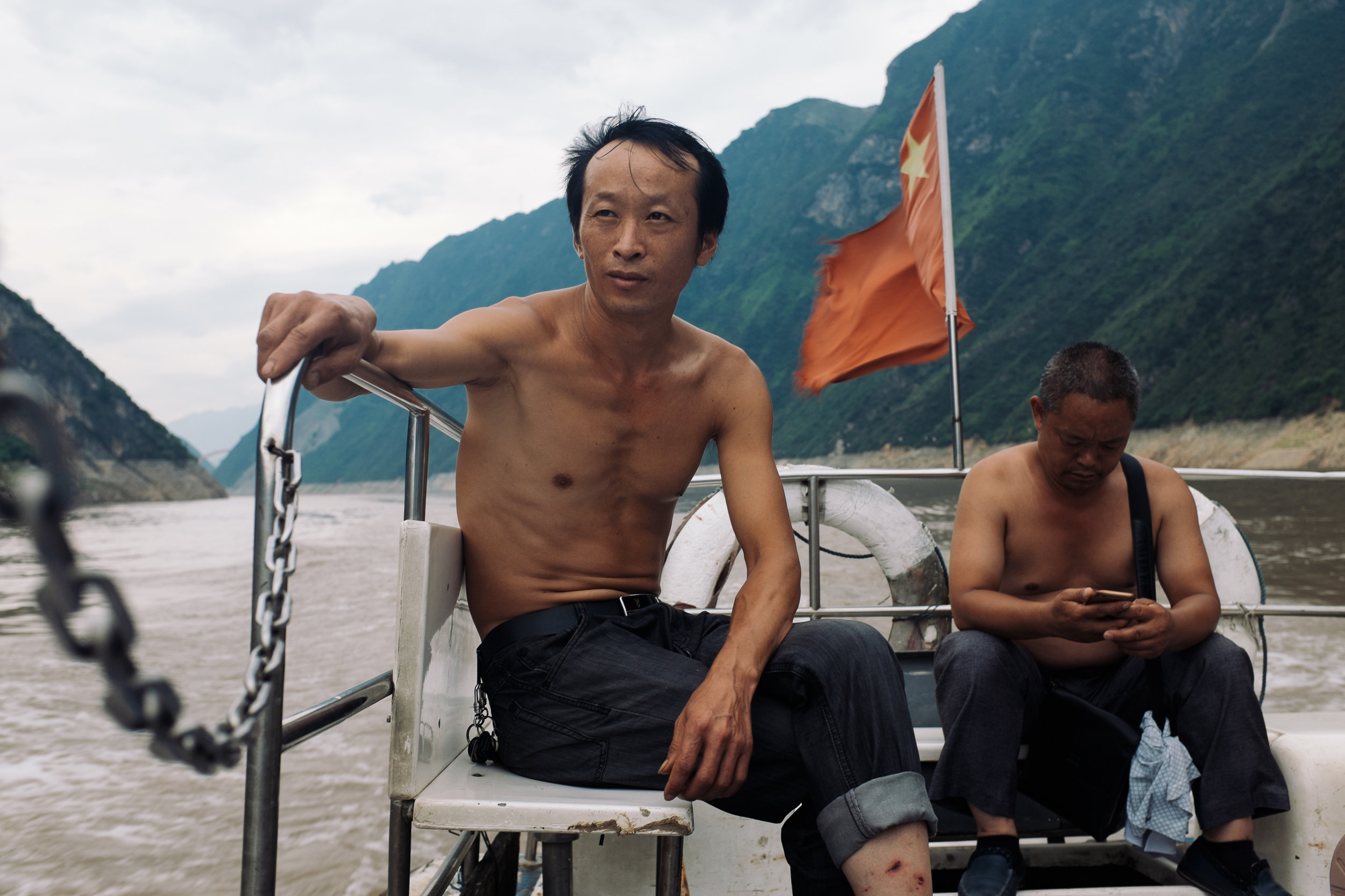
He used the Yangtze River Basin as his highway, the preferred method of travel back then. As he traveled, he rubbed shoulders with commoners and high officials alike, and he would drink with them all. Thus was his reputation for effortless, bombastic, free-flowing poetry and his unparalleled love for wine established. Both seemed to flow in and out of him in equal measure…
行路難,行路難,
多歧路,今安在?
長風破浪會有時,
直掛雲帆濟滄海。
The road is hard, the road is hard!
So many paths, but which is true?
One day I’ll ride the wind
and cleave the waves,
I’ll hoist my cloudy sail
and cross the vast sea.
Li Bai’s talent was obvious, but fame always seemed to elude him.
He would write essays to officials, hoping to impress them enough to recommend him to office. It was the only way the son of a merchant could ascend in Tang society, as merchants were considered a lower class than peasants…
But most officials rejected him, fearing they might lose their own positions to such a peerless yet reckless talent.
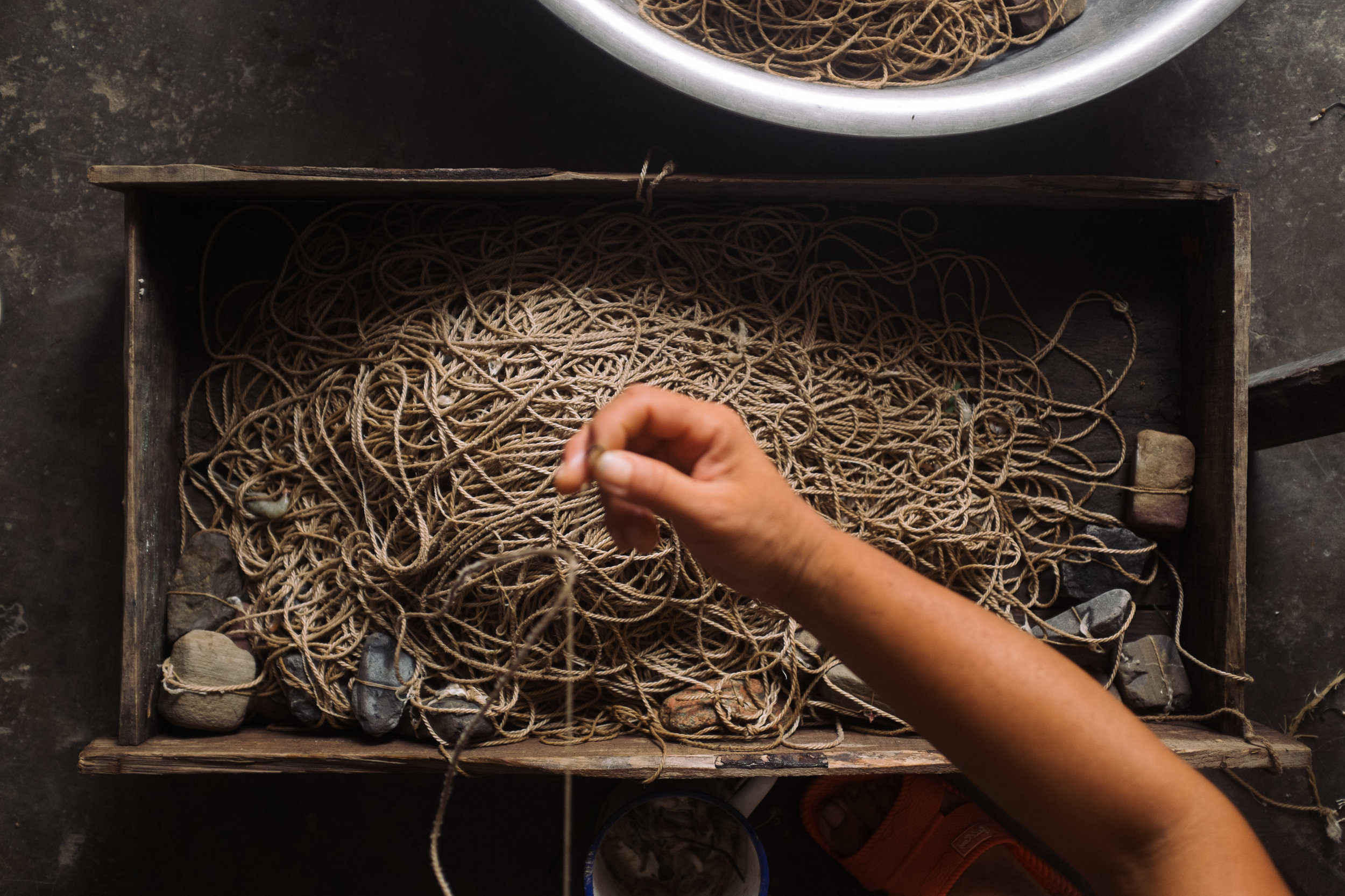
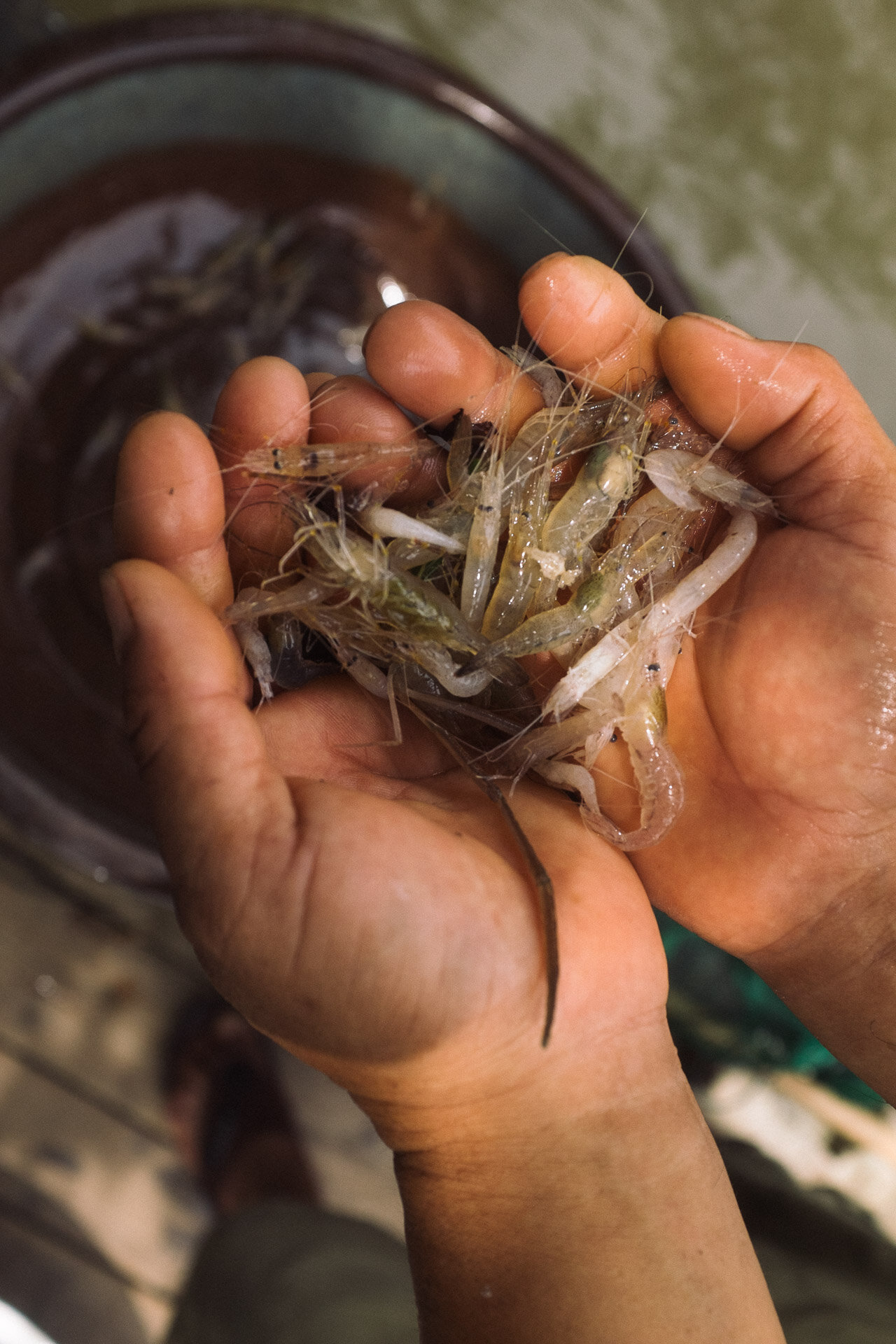
Thus Li Bai wandered, traveling along the Yangtze River Basin, pouring both his grief and his wine-fueled elation into his poetry. He envied the commoners he met: fishermen and farmers, people who lived simply off the water and the land. Though poor, they seemed free from the ambitions that tormented him.

問余何意棲碧山,
笑而不答心自閒。
桃花流水窅然去,
別有天地非人間。
You ask me why I live in the green mountains.
I smile and do not answer; my heart is at peace.
Peach blossoms flow away with the stream,
There is another heaven and earth
beyond this world.
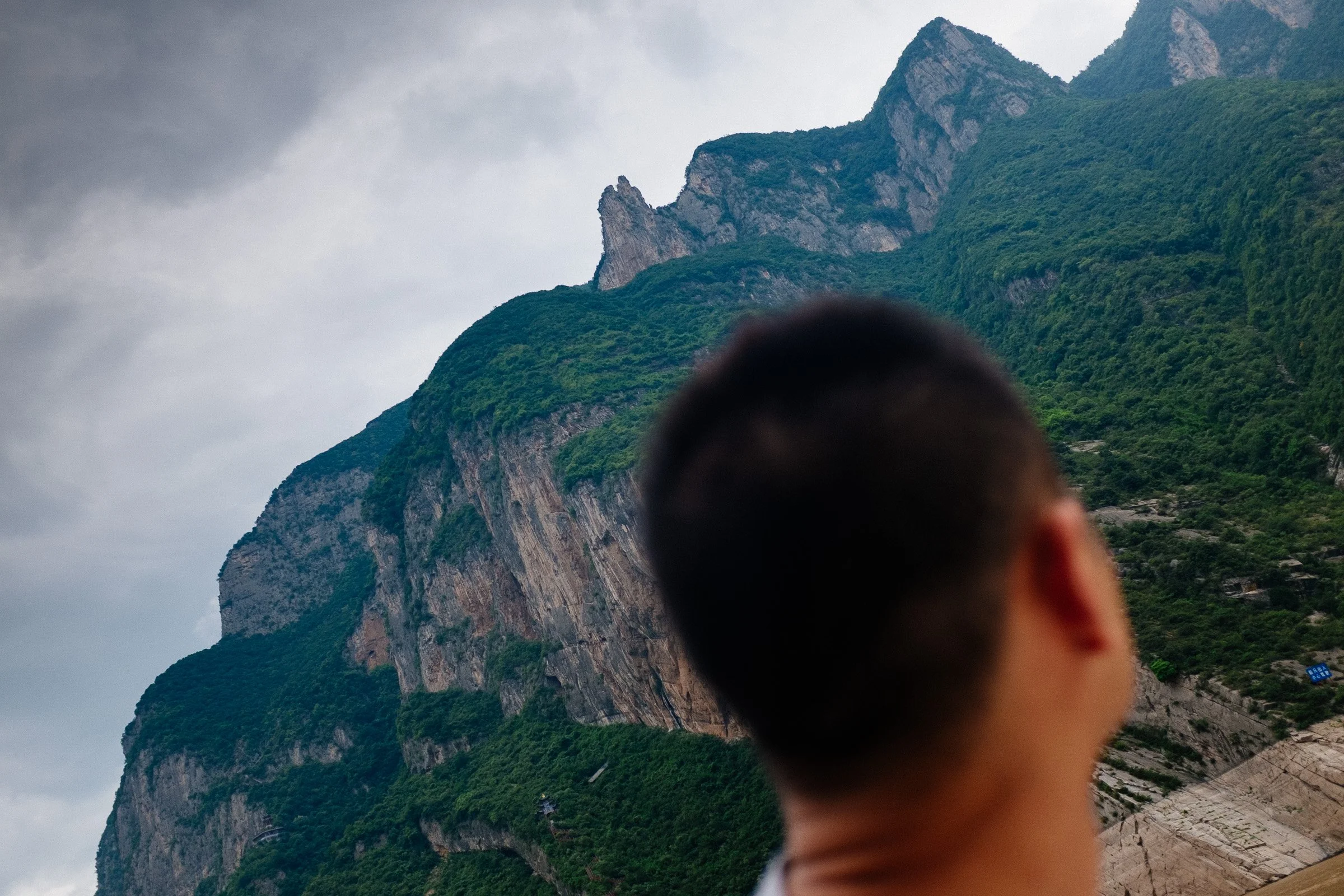
After nearly forty years of wandering, Li Bai’s reputation grew beyond even what he could have imagined. From sleepy river towns to the capital city of Chang’an, people recited his poems like we now sing popular songs.
Even the emperor took notice. In 742, Li Bai was summoned to Xuanzong’s court as part of the prestigious Hanlin Academy. He had finally made it.
But the same spontaneity that made his poetry brilliant made him impossible at court. He quickly realized everyone around him was uninterested in anything else but their own self-aggrandizement and enrichment. It depressed him. He showed up drunk to imperial banquets and wrote cutting satires, alienating the very people whose favor he needed to stay in the capital.
By 744, he was dismissed. His imperial dreams had been shattered. He returned to the countryside, vowing to become a Taoist and bowing out of politics forever.
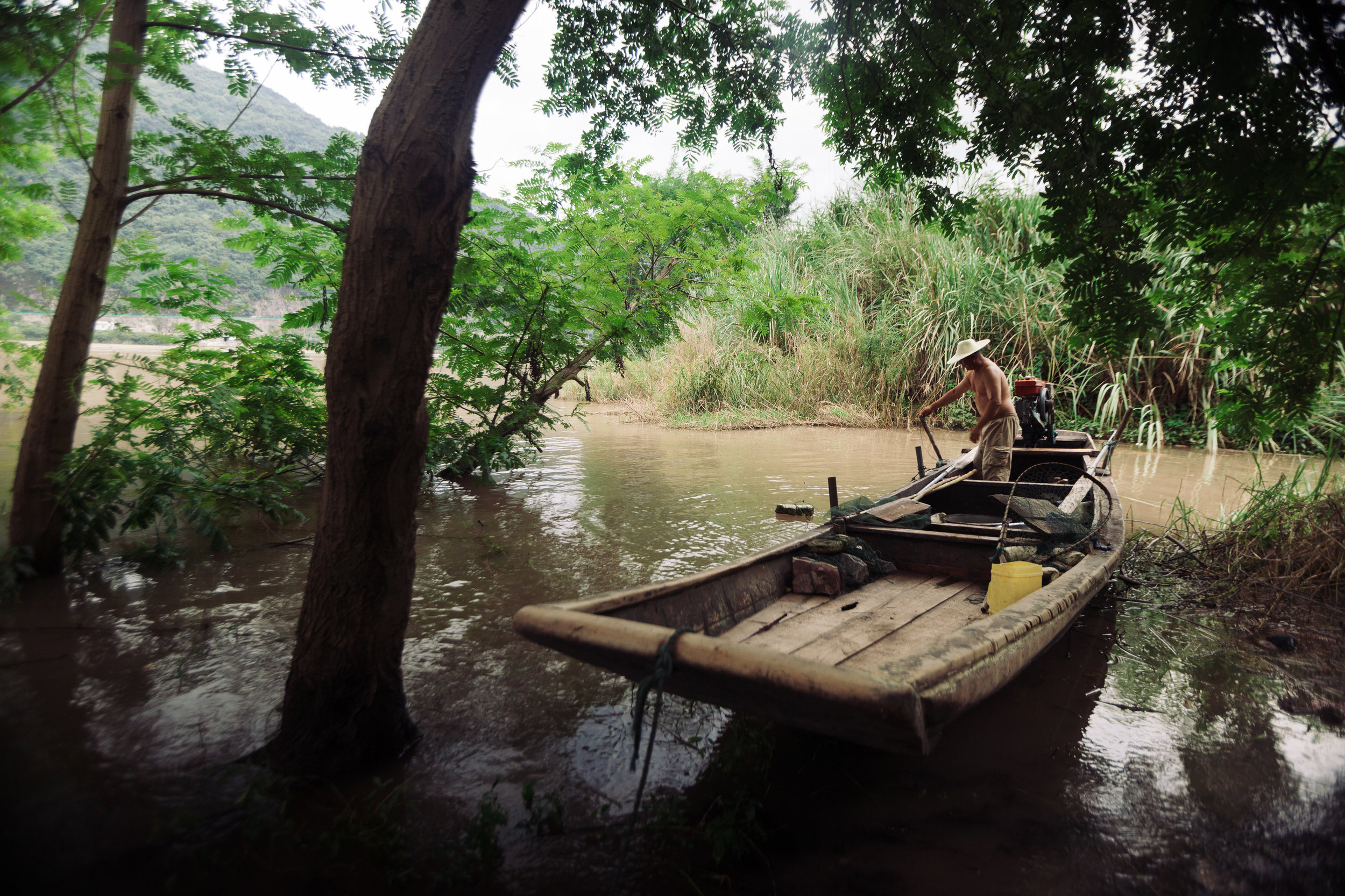
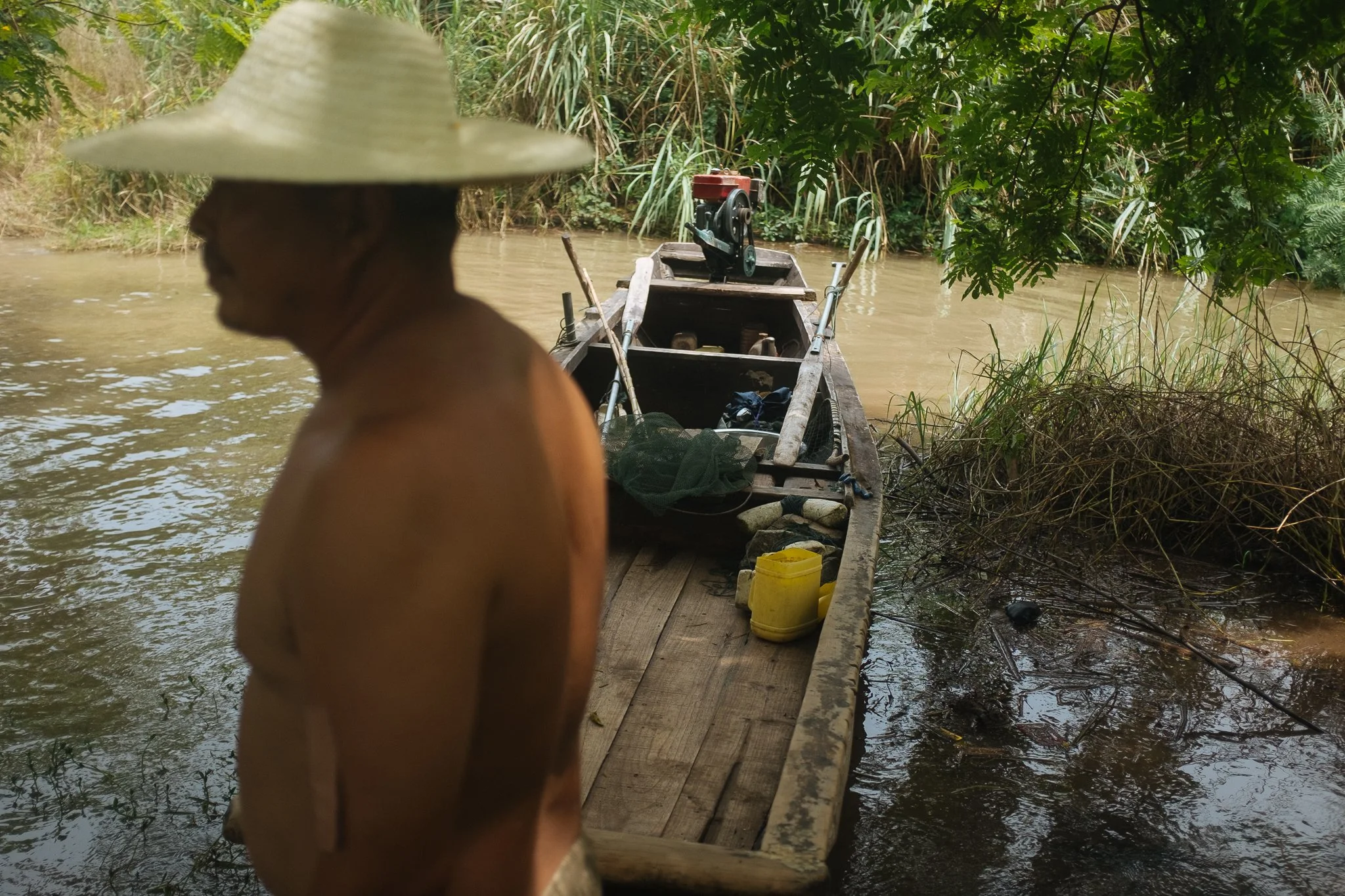
眾鳥高飛盡,
孤雲獨去閒。
相看兩不厭,
只有敬亭山。
Flocks of birds have flown high and away,
A solitary cloud goes off calmly alone.
We look at each other and never get tired—
Only Jingting Mountain and me.
But his time in the mountains was short-lived. In 755, rebellion broke out, plunging the country into a devastating civil war that would leave a third of the population dead. Li Bai was summoned out of retirement by Prince Yong, the emperor's son.
He didn't know that he had sided with the wrong prince, one who was openly rebelling against his own father for personal gain.
Once again, Li Bai found himself on the wrong side of imperial politics. He was banished and sent into exile up the Yangtze River.
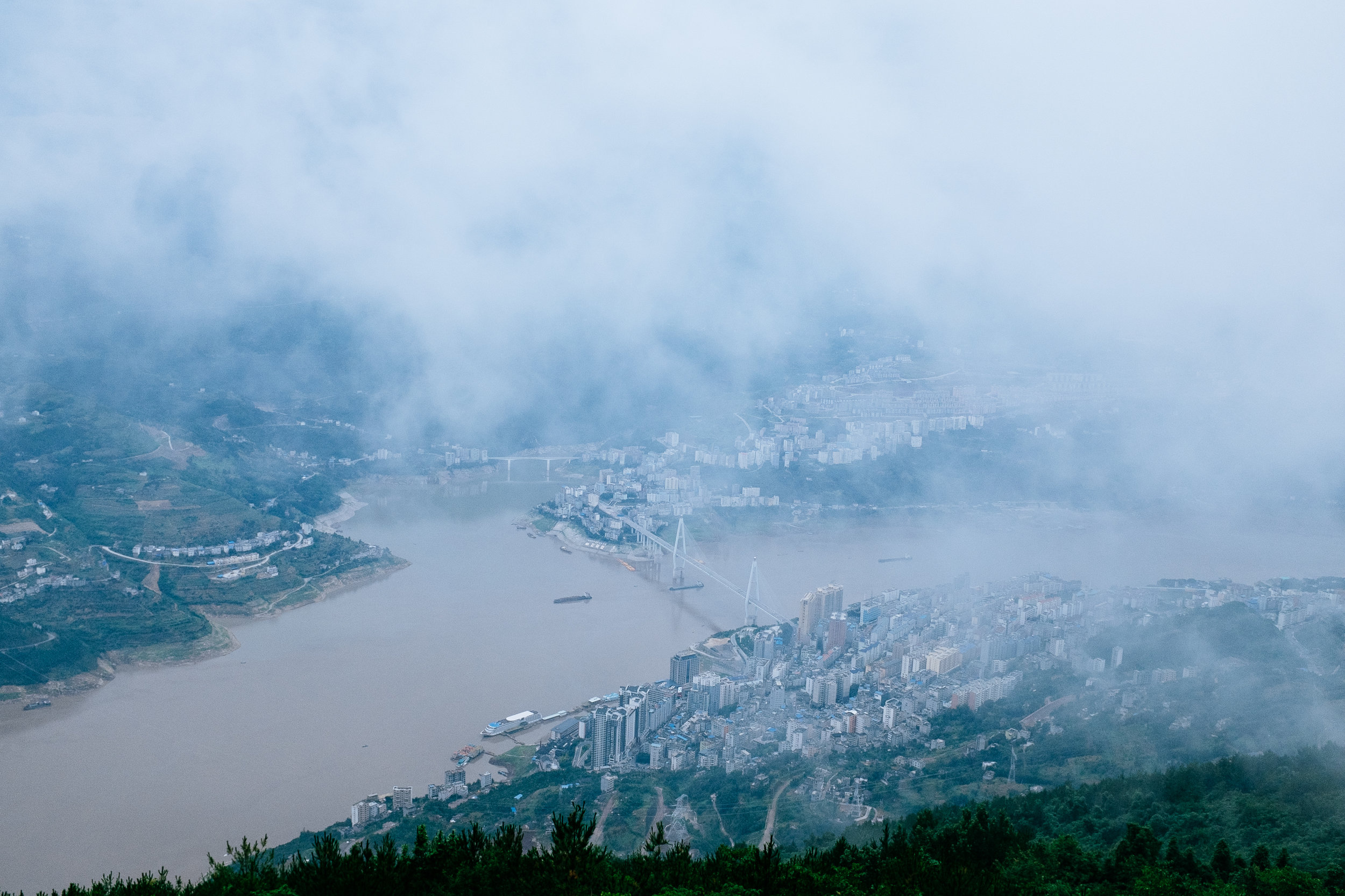
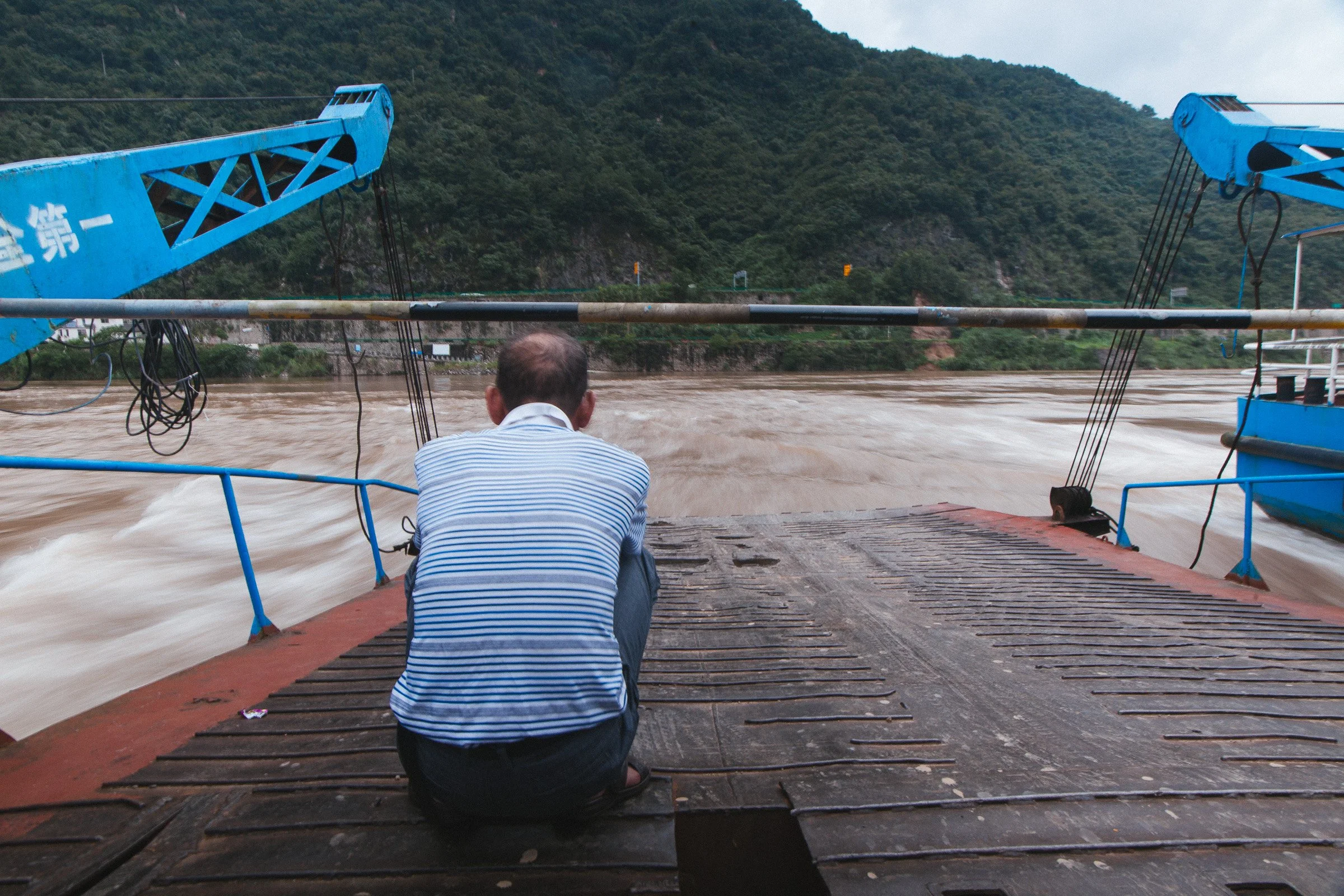
As he traveled the same waters he had descended in his youth, he now fought against the mighty current that flowed eastward toward the sea. The mountains now felt steeper, the water more treacherous. Everything seemed harder in his old age.
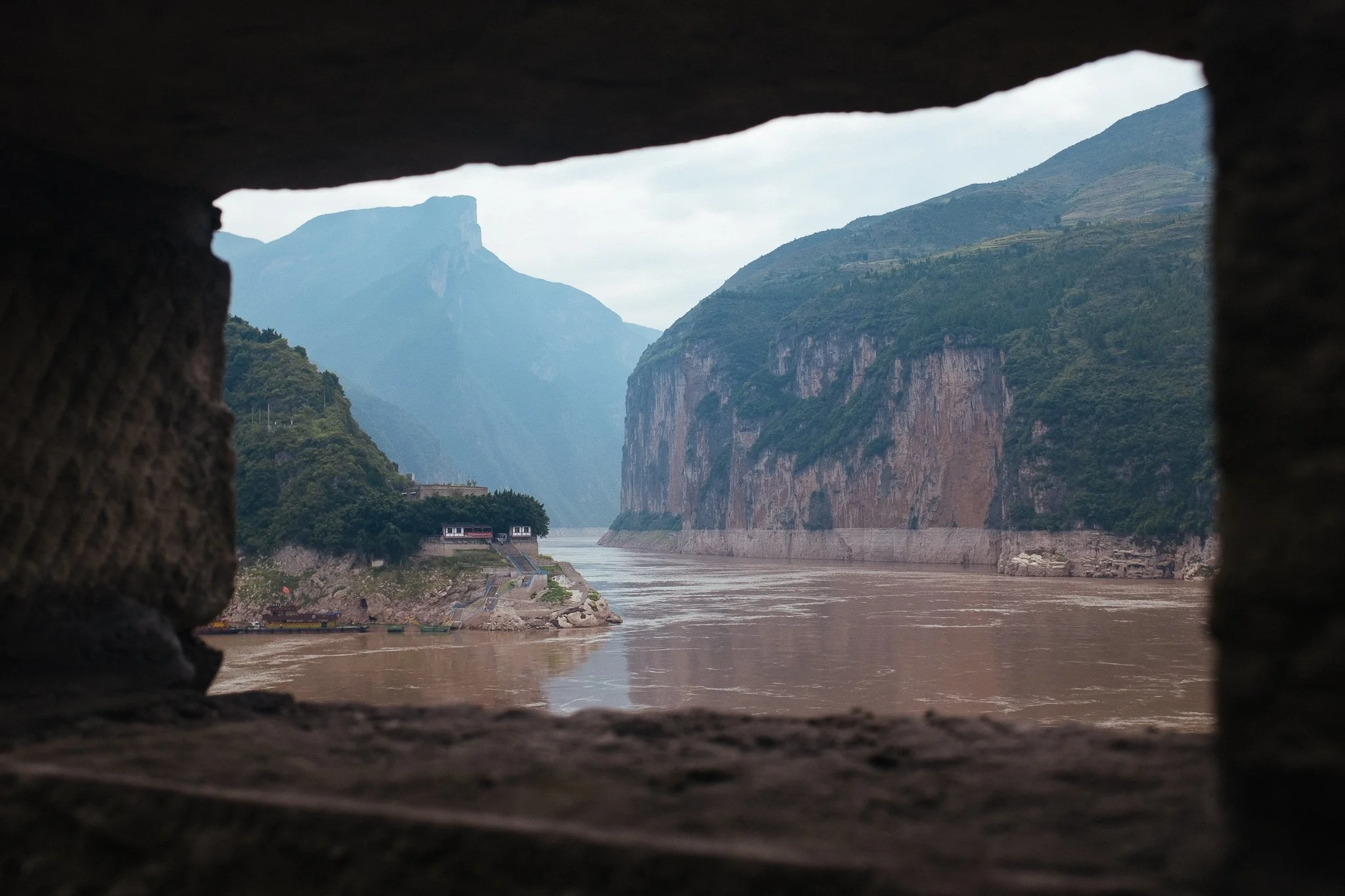
Then, fifteen months into his banishment, at Baidicheng—White Emperor Fortress, an island in the middle of the Yangtze—he received an imperial pardon.
Perhaps it was his due to his prodigious talent, or perhaps it was due to having powerful friends. Whatever the reason, he had been given the simple, overwhelming gift of being allowed to go home. He was 57.
Joy flooded through him unlike anything he had ever felt. He boarded a skiff and began his journey down the Yangtze. As the boat picked up speed through the Three Gorges, the mountains flashed past like in a dream.
Flying down the river toward freedom, Li Bai wrote what would become his most celebrated poem, describing the triumph of the human spirit over the weight of the world.
朝辭白帝彩雲間,
千里江陵一日還。
兩岸猿聲啼不住,
輕舟已過萬重山。
In the morning I leave
White Emperor City, clouds ablaze,
It’s a thousand miles to Jiangling—
I'll make it before the day is done!
On both banks the monkeys chatter without end,
But my little boat has already passed
Ten-thousand mountains!
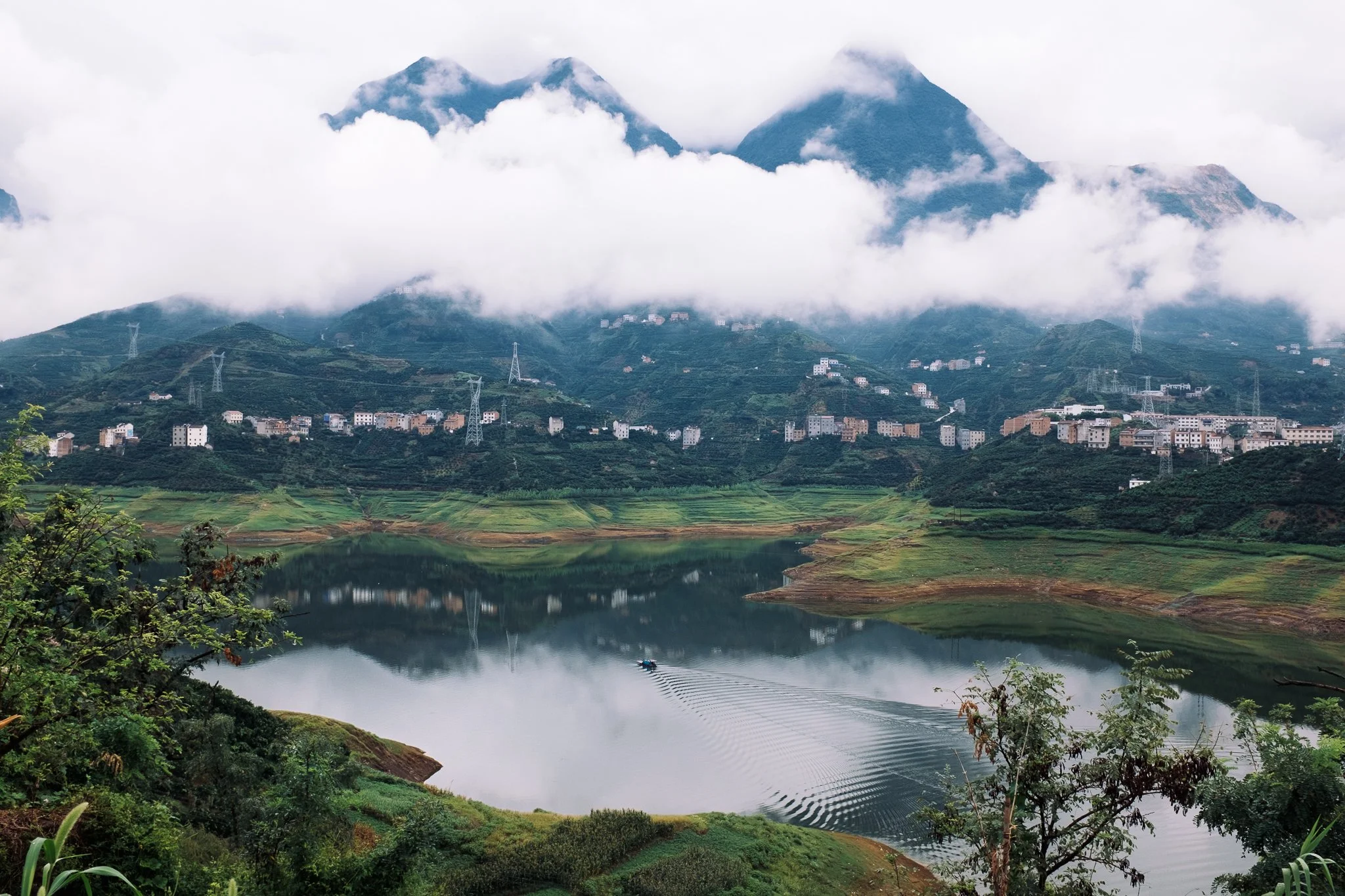
In the long river of Chinese history, more than 1,300 years have passed since Li Bai sailed the Yangtze. The China he knew has long since disappeared, replaced by scenes and people from another era.
Yet the river remains, its ruddy waters connecting past with present. Never the same twice, it continually flows eastward, past the same mountains, carrying the same restless current ever towards the sea.